
Are traditional rehabilitation approaches falling short for you or your loved ones? With the growing need for effective recovery strategies, it’s essential to explore innovative rehabilitation techniques that can make a significant difference.
Rehabilitation is a journey that requires the right support improvement methods to achieve the best possible outcomes. By understanding the various approaches available, individuals can take the first step towards a successful recovery.
Effective rehabilitation is not a one-size-fits-all solution. It involves a combination of personalized care, advanced therapies, and supportive communities. By leveraging these elements, individuals can overcome challenges and achieve their rehabilitation goals.
Key Takeaways
- Understanding the importance of personalized rehabilitation approaches
- Exploring advanced therapies for enhanced recovery
- The role of supportive communities in rehabilitation success
- Combining different techniques for optimal rehabilitation outcomes
- Setting the stage for a successful rehabilitation journey
Building Your Foundation for Successful Recovery
The path to successful recovery begins with laying a solid groundwork. This foundational step is crucial for effective rehabilitation and long-term success. By focusing on the initial stages of recovery, individuals can set themselves up for the best possible outcomes.
Assessing Your Current Condition and Needs
The first step in building a strong foundation is to assess your current condition and needs. This involves a comprehensive evaluation of your physical and mental health, including any limitations or challenges you may be facing. By understanding your unique situation, you can identify the most appropriate recovery assistance strategies.
Creating a Personalized Rehabilitation Plan
With a clear understanding of your needs, the next step is to create a personalized rehabilitation plan. This plan should be tailored to your specific goals and circumstances, incorporating treatment progression strategies that are both effective and sustainable. A well-crafted plan will help guide your recovery journey and ensure that you remain on track.
Assembling Your Healthcare Support Team
No one should navigate the recovery process alone. Assembling a healthcare support team is vital for providing the necessary guidance and care. This team may include healthcare professionals such as physical therapists, occupational therapists, and mental health specialists, all working together to support your rehabilitation goals.
Establishing Measurable Recovery Milestones
To track progress and stay motivated, it’s essential to establish measurable recovery milestones. These milestones should be specific, achievable, and aligned with your overall rehabilitation objectives. By celebrating your successes along the way, you can maintain momentum and reinforce your commitment to the recovery process.
By following these foundational steps, individuals can create a robust framework for successful recovery, leveraging recovery assistance and treatment progression strategies to achieve their goals.
Implementing Physical Therapy Rehabilitation Techniques
Effective rehabilitation begins with implementing proven physical therapy techniques tailored to individual needs. Physical therapy is a cornerstone of rehabilitation program effectiveness, helping patients regain strength, mobility, and function.

Starting with Gentle Mobility Exercises
Gentle mobility exercises are typically the first step in a physical therapy regimen. These exercises help prevent stiffness and promote healing.
Passive Range of Motion Movements
Passive range of motion movements involve a therapist or caregiver moving a patient’s joints through a range of motion without the patient using their muscles. This technique helps maintain flexibility and reduces stiffness.
Active-Assisted Stretching Routines
Active-assisted stretching routines require the patient to actively participate by contracting their muscles while a therapist provides additional support or resistance. This helps improve flexibility and strength.
Progressing to Strength and Endurance Training
As patients progress in their rehabilitation, they often move on to strength and endurance training. This phase is critical for regaining functional abilities and achieving long-term recovery.
Isometric Exercises for Early-Stage Recovery
Isometric exercises involve contracting muscles without moving the joints. These exercises are particularly useful in the early stages of recovery when movement may be limited or painful.
Resistance Band Protocols
Resistance band protocols utilize elastic bands to provide resistance, helping to strengthen muscles. These are versatile and can be adjusted to suit different stages of recovery.
Functional Movement Patterns
Functional movement patterns involve practicing movements that mimic daily activities, such as walking, reaching, or bending. This helps patients regain the ability to perform everyday tasks.
Incorporating Balance and Proprioception Work
Balance and proprioception exercises are vital for preventing falls and improving overall physical function. These exercises help patients develop a better sense of body position and movement.
By incorporating these physical therapy rehabilitation techniques into a comprehensive rehab program, patients can significantly enhance their rehabilitation program effectiveness and achieve a more successful recovery.
Leveraging Rehabilitation Support Tools and Technology
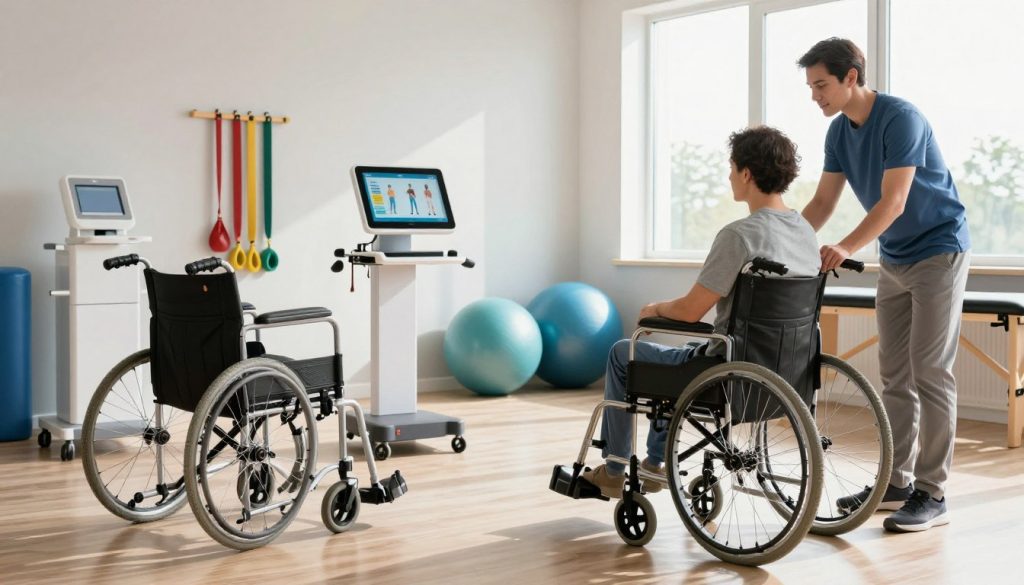
In today’s digital age, rehabilitation support has become more accessible and effective with the help of various tools and technologies. These advancements are transforming the way individuals recover from injuries or manage chronic conditions, making the process more personalized and efficient.
Using Wearable Fitness Trackers for Activity Monitoring
Wearable fitness trackers have become increasingly popular for monitoring activity levels during rehabilitation. Devices like Fitbit and Garmin trackers allow users to monitor their progress, set goals, and stay motivated throughout their recovery journey. According to a study published in the Journal of Rehabilitation Research & Development, wearable devices can significantly improve patient outcomes by encouraging physical activity.
Key benefits of wearable fitness trackers include:
- Monitoring daily activity levels
- Tracking progress towards rehabilitation goals
- Receiving reminders to stay active
Exploring Virtual Reality Therapy Programs
Virtual reality (VR) therapy is emerging as a powerful tool in rehabilitation, offering immersive experiences that can aid in physical and cognitive recovery. VR programs can simulate real-world environments, helping patients to practice daily tasks and movements in a controlled and safe space. As noted by a researcher, “VR therapy has the potential to revolutionize rehabilitation by providing highly engaging and effective therapy sessions.”
“The use of VR in rehabilitation is not just about gaming; it’s about creating a therapeutic environment that is both engaging and challenging for the patient.”
Connecting Through Telehealth Platforms
Telehealth platforms have become essential for connecting patients with healthcare providers remotely. These platforms enable individuals to receive rehabilitation support from the comfort of their homes, reducing the need for in-person visits. Telehealth services can include virtual consultations, remote monitoring, and online therapy sessions.
Downloading Rehabilitation Apps for Daily Guidance
Rehabilitation apps offer daily guidance and support, helping individuals stay on track with their recovery plans. These apps can provide exercise routines, pain management techniques, and symptom tracking features.
Exercise Reminder and Tracking Apps
Apps like MyFitnessPal and RehabMyPatient offer exercise reminders and tracking features, ensuring that patients adhere to their rehabilitation programs. These apps can be particularly useful for individuals who need to perform exercises regularly throughout the day.
Pain Management and Symptom Logging Tools
Pain management apps, such as PainScale, allow users to log their symptoms, track pain levels, and monitor their progress over time. This information can be invaluable for healthcare providers, helping them to adjust treatment plans as needed.
By leveraging these rehabilitation support tools and technologies, individuals can take a more active role in their recovery, staying motivated and engaged throughout the rehabilitation process.
Applying Rehabilitation Support Improvement Methods for Mental Wellness
Rehabilitation support isn’t just about physical recovery; mental wellness is equally vital for achieving optimal rehab outcomes enhancement. A comprehensive rehabilitation program addresses both the physical and mental aspects of health, ensuring a more effective and sustainable recovery.
Practicing Cognitive Behavioral Techniques
Cognitive Behavioral Therapy (CBT) is a valuable tool in rehabilitation, helping individuals identify and change negative thought patterns that can hinder recovery. By practicing CBT techniques, patients can develop healthier coping mechanisms and improve their mental resilience.
Key CBT techniques include:
- Cognitive restructuring
- Exposure therapy
- Mindfulness-based stress reduction
Integrating Mindfulness and Stress Reduction
Mindfulness practices, such as meditation and deep breathing exercises, can significantly reduce stress and enhance mental well-being. Incorporating these techniques into daily routines can improve overall rehabilitation outcomes.
Mindfulness benefits include:
- Reduced anxiety and depression
- Improved emotional regulation
- Enhanced focus and concentration

Joining Support Groups and Community Resources
Support groups provide a sense of community and understanding, allowing individuals to share their experiences and learn from others facing similar challenges. Engaging with community resources can also offer additional support and guidance throughout the rehabilitation process.
Working with Mental Health Professionals
Collaborating with mental health professionals is crucial for addressing the psychological aspects of rehabilitation. These experts can provide personalized therapy and support, helping individuals navigate the emotional challenges of recovery.
| Mental Wellness Strategy | Benefits | Implementation Tips |
|---|---|---|
| Cognitive Behavioral Techniques | Improves mental resilience, reduces negative thoughts | Practice regularly with a therapist or through self-help materials |
| Mindfulness and Stress Reduction | Reduces anxiety, improves emotional regulation | Start with short daily sessions, use guided meditations |
| Support Groups | Provides community support, shares experiences | Find local or online groups, participate actively |
| Mental Health Professionals | Personalized therapy, emotional support | Schedule regular sessions, be open about your challenges |
By incorporating these mental wellness strategies into rehabilitation programs, individuals can achieve a more comprehensive and sustainable recovery, ultimately enhancing rehab outcomes.
Optimizing Nutrition and Lifestyle for Recovery Support
Enhancing recovery through dietary changes and lifestyle modifications is a key aspect of rehabilitation support. A comprehensive approach to nutrition and lifestyle can significantly impact the effectiveness of rehabilitation techniques.
Following an Anti-Inflammatory Eating Plan
An anti-inflammatory diet is crucial for reducing inflammation and promoting healing. This type of diet focuses on consuming foods that are rich in antioxidants and omega-3 fatty acids.
Foods That Promote Healing
- Fatty Fish: Rich in omega-3 fatty acids, which help reduce inflammation.
- Leafy Greens: Packed with antioxidants that promote healing.
- Nuts and Seeds: Good sources of healthy fats and antioxidants.
Foods to Avoid During Rehabilitation
- Processed Foods: High in unhealthy fats and sugars that can cause inflammation.
- Sugary Drinks: Can lead to increased inflammation and hinder the healing process.
- Refined Carbohydrates: Can cause a spike in blood sugar levels, potentially slowing recovery.
Meeting Your Protein and Nutrient Requirements
Adequate protein intake is essential for muscle repair and recovery. Ensuring that you meet your daily protein and nutrient requirements can support the rehabilitation process.
Prioritizing Quality Sleep and Rest Periods
Quality sleep and rest are vital for the body’s recovery processes. Ensuring adequate rest can enhance the effectiveness of rehabilitation techniques.
Managing Stress Through Lifestyle Changes
Managing stress is crucial for overall well-being and can impact recovery. Techniques such as mindfulness and meditation can be beneficial.
Tracking Progress and Adjusting Your Rehabilitation Program
Tracking your progress is crucial for a successful rehabilitation. It allows you to understand how far you’ve come and what adjustments are needed to achieve your recovery goals.
Monitoring Key Recovery Metrics
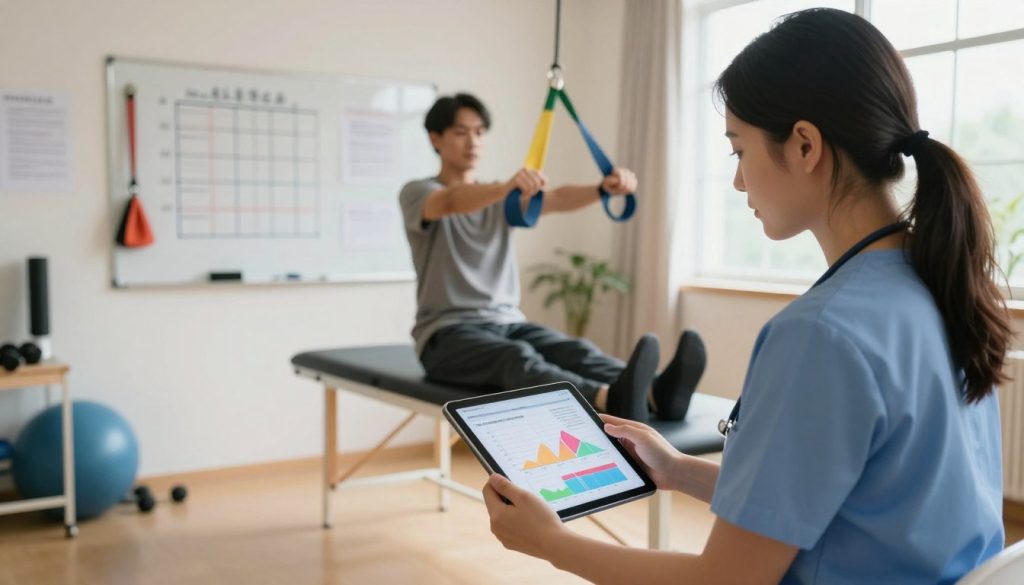
Monitoring key recovery metrics is essential for understanding the effectiveness of your rehabilitation program. This includes tracking pain levels, range of motion, strength, and functional abilities. By regularly assessing these metrics, you can identify areas that require more attention and adjust your program accordingly.
Key metrics to track include:
- Pain levels using a pain scale
- Range of motion through goniometry
- Strength using manual muscle testing
- Functional abilities through standardized tests
Keeping a Detailed Rehabilitation Journal
Keeping a detailed rehabilitation journal is a powerful tool for tracking your progress. It allows you to record your daily experiences, note any challenges, and celebrate your successes. This journal can also be shared with your healthcare team to provide valuable insights into your recovery journey.
Include the following in your journal:
- Daily pain levels and medication use
- Exercises completed and any difficulties encountered
- Progress photos or videos if applicable
- Notes on your overall well-being and mood
Scheduling Regular Check-Ins with Your Team
Scheduling regular check-ins with your healthcare team is vital for ensuring that your rehabilitation program is on track. These check-ins provide an opportunity to discuss your progress, address any concerns, and make necessary adjustments to your treatment plan.
During check-ins, be prepared to discuss:
- Your progress since the last visit
- Any challenges or setbacks experienced
- Questions or concerns you have
- Goals for the next period
Modifying Your Plan Based on Results
Modifying your rehabilitation plan based on your progress is a critical aspect of successful rehabilitation. By regularly reviewing your recovery metrics and feedback from your healthcare team, you can make informed decisions about adjustments to your program.
Consider the following when modifying your plan:
- Progress towards your recovery goals
- Emergence of new challenges or symptoms
- Changes in your overall health or well-being
- Feedback from your healthcare team
Navigating Setbacks and Maintaining Long-Term Success
Achieving long-term success in rehabilitation requires more than just initial progress; it demands sustained effort and strategic planning. As individuals progress through their rehabilitation journey, they often encounter setbacks or plateaus that can hinder their progress.
Recognizing and Responding to Recovery Plateaus
A recovery plateau occurs when progress seems to stall, and improvements become less noticeable. Recognizing the signs of a plateau is crucial, as it allows individuals to adjust their rehabilitation program accordingly.
- Monitor progress regularly to identify potential plateaus early.
- Adjust the rehabilitation plan to include new challenges or interventions.
- Stay motivated by celebrating small victories along the way.
Managing Pain Without Derailing Progress
Effective pain management is critical in rehabilitation. It’s essential to strike a balance between managing pain and maintaining progress in the rehabilitation program.
Some strategies for managing pain include:
- Using medication as directed by healthcare professionals.
- Incorporating alternative pain management techniques, such as acupuncture or physical therapy modalities.
- Staying active within the limits of your condition to prevent further injury.
Staying Motivated During Extended Rehabilitation
Maintaining motivation is vital, especially during extended rehabilitation periods. Setting realistic goals and tracking progress can help individuals stay motivated.
Additionally, connecting with support groups or mental health professionals can provide the emotional support needed to stay on track.
Implementing Injury Prevention Strategies
Injury prevention is a critical aspect of long-term rehabilitation success. By incorporating specific strategies, individuals can reduce the risk of re-injury.
Proper Warm-Up and Cool-Down Routines
Implementing proper warm-up and cool-down routines can significantly reduce the risk of injury. These routines prepare the body for physical activity and help it recover afterward.
Listening to Your Body’s Warning Signs
It’s crucial to listen to your body and recognize warning signs that may indicate potential issues. Ignoring these signs can lead to setbacks.
Gradually Increasing Activity Intensity
Gradually increasing the intensity of activities is essential to avoid overexertion. This approach allows the body to adapt to new demands.
By understanding and implementing these strategies, individuals can navigate setbacks and maintain long-term success in their rehabilitation journey.
Conclusion
Effective rehabilitation relies on a multifaceted approach that incorporates various therapeutic approaches to support overall recovery. By combining physical therapy techniques, leveraging rehabilitation support tools and technology, and prioritizing mental wellness, individuals can create a comprehensive rehabilitation plan.
A successful recovery journey involves assessing individual needs, setting measurable milestones, and tracking progress. It’s essential to stay motivated and adapt to challenges by implementing injury prevention strategies and managing pain effectively.
By integrating different therapeutic approaches and maintaining a commitment to rehabilitation, individuals can achieve long-term success and improve their overall quality of life. A well-rounded rehabilitation program is key to navigating the recovery process and achieving optimal outcomes.