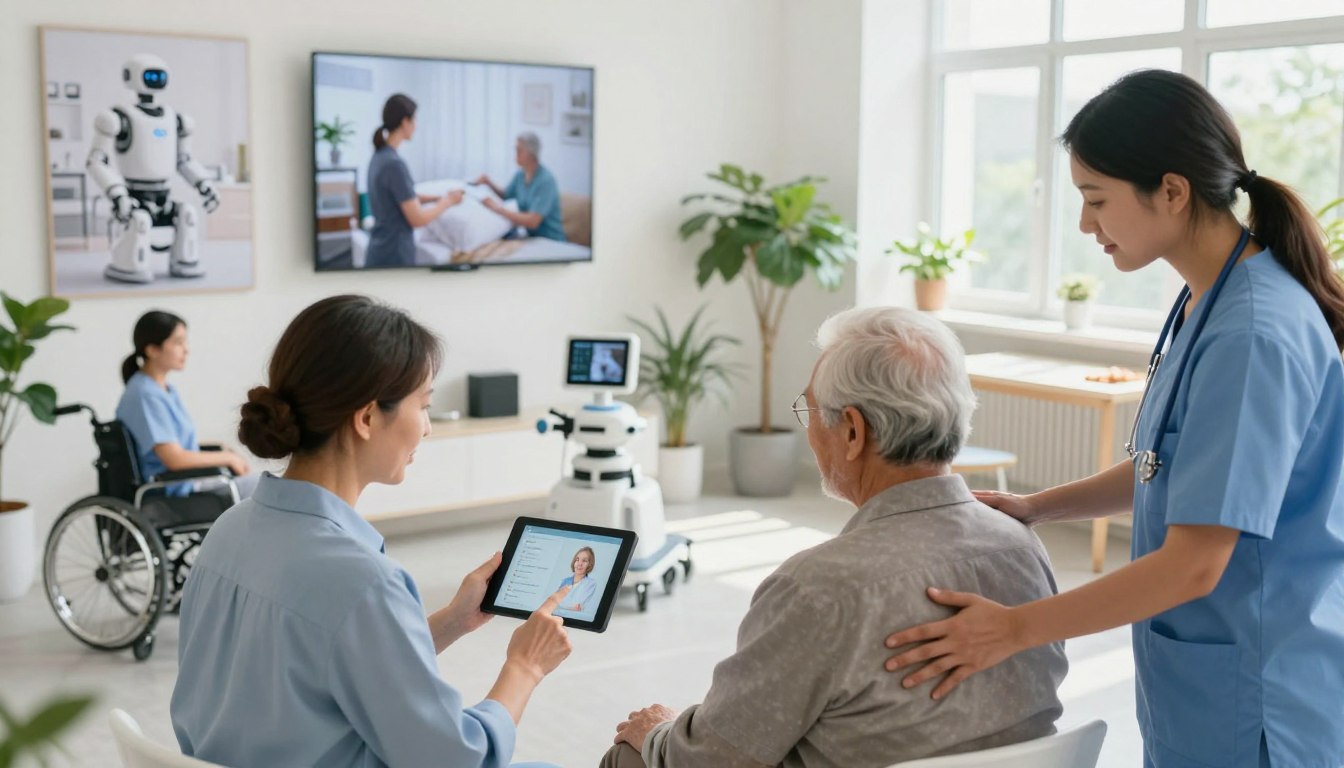
Are traditional caregiving methods falling short for those who need care the most? As the population ages, the demand for effective caregiving solutions is on the rise. New approaches are being developed and refined to meet the complex needs of individuals requiring care.
These innovative solutions aim to improve the quality of life for both caregivers and recipients. By leveraging proven caregiver innovations, caregivers can provide more personalized and effective support.
Key Takeaways
- New caregiving approaches are being developed to address complex needs.
- Innovative solutions improve the quality of life for caregivers and recipients.
- Proven caregiver innovations enable personalized and effective support.
- Effective caregiving solutions are crucial for the aging population.
- Caregivers can benefit from leveraging the latest caregiving innovations.
Understanding What Makes Caregiving Methods Innovative and Tested
As the demand for effective elder care strategies grows, understanding what makes caregiving methods innovative and tested becomes crucial. Caregivers are continually seeking groundbreaking senior care approaches that can improve the quality of life for their recipients.
The Science Behind Validated Care Techniques
Validated care techniques are developed through rigorous research and testing. These methods are designed to address specific caregiving challenges, such as managing dementia or improving mobility. The science behind these techniques involves:
- Clinical trials to assess efficacy
- Research studies to understand underlying mechanisms
- Expert consensus to establish best practices
By grounding caregiving practices in scientific evidence, caregivers can trust that they are using methods that have been proven to work.
Why Evidence-Based Approaches Matter for Your Caregiving Journey
Evidence-based approaches matter because they provide a foundation for effective caregiving. By using methods that have been tested and validated, caregivers can:
- Improve care outcomes
- Enhance the quality of life for care recipients
- Reduce caregiver stress and burnout
Moreover, evidence-based approaches can help caregivers make informed decisions about their care strategies, ensuring that they are providing the best possible care.
In conclusion, understanding the science behind validated care techniques and the importance of evidence-based approaches is crucial for caregivers. By adopting these innovative methods, caregivers can significantly improve their caregiving journey.
Innovative Caregiving Methods Tested in Real-World Settings
Real-world testing has validated various cutting-edge caregiving approaches, revolutionizing the way care is provided. These innovative methods have been applied in diverse care settings, demonstrating their effectiveness in improving care outcomes.

Technology-Assisted Monitoring and Remote Care Solutions
Technology has become a vital component in modern caregiving, offering tools that enhance care quality and accessibility. Two significant technological advancements in caregiving are wearable health devices with smart home sensors and telehealth platforms.
Wearable Health Devices and Smart Home Sensors
Wearable health devices allow caregivers to monitor the health and activity levels of care recipients remotely. These devices can track vital signs, detect falls, and monitor daily activities. Smart home sensors complement wearable devices by providing additional data on the care recipient’s environment, such as temperature and motion detection.
- Track vital signs and health metrics in real-time
- Detect falls and send alerts to caregivers
- Monitor daily activities and provide insights into routine changes
Telehealth Platforms for Virtual Check-ins
Telehealth platforms enable virtual check-ins between caregivers, healthcare providers, and care recipients. This technology improves access to healthcare services, reduces the need for in-person visits, and enhances communication among care teams.
Key benefits of telehealth include:
- Increased access to healthcare services
- Reduced healthcare costs through reduced in-person visits
- Enhanced coordination among care providers
Person-Centered Care Planning Models
Person-centered care planning focuses on the individual’s preferences, needs, and values. This approach ensures that care is tailored to the unique requirements of each care recipient.
Individualized Daily Routines Based on Preferences
Creating daily routines that reflect the preferences of care recipients can significantly improve their quality of life. This might include personalized meal planning, activity scheduling, and sleep routines.
“Care that is tailored to the individual promotes dignity, comfort, and a sense of control.”
Integrative Wellness Approaches Combining Physical and Mental Health
Integrative wellness approaches recognize the interconnection between physical and mental health. By combining conventional medical treatments with complementary therapies, caregivers can address the holistic needs of care recipients.
| Approach | Description | Benefits |
|---|---|---|
| Physical Therapy | Targeted exercises to improve mobility and strength | Enhanced physical function, reduced pain |
| Mindfulness Therapy | Meditation and mindfulness practices to reduce stress | Reduced anxiety, improved mental clarity |
Implementing Technology Solutions for Better Care Outcomes
Caregivers can leverage various technological tools to address the complex needs of their care recipients. By integrating technology into their caregiving practices, caregivers can provide more effective and personalized care.
Step 1: Assess Your Current Care Challenges and Technology Readiness
The first step in implementing technology solutions is to assess the current care challenges and technology readiness. Caregivers should identify areas where technology can make a significant impact, such as managing medication, monitoring health conditions, or enhancing communication.
- Evaluate the care recipient’s needs and preferences.
- Assess the caregiver’s comfort level with technology.
- Identify potential barriers to technology adoption.
Step 2: Select Appropriate Devices for Your Care Recipient’s Needs
Once the care challenges and technology readiness are assessed, caregivers can select devices that meet the care recipient’s needs. Some examples of beneficial devices include:
Medication Reminders and Dispensers
Medication reminders and dispensers can help ensure that the care recipient takes their medication on time. These devices can be programmed to send reminders and dispense medication automatically.
Fall Detection and Emergency Response Systems
Fall detection and emergency response systems can provide immediate assistance in case of a fall or medical emergency. These systems use wearable devices or sensors to detect falls and alert caregivers or emergency services.
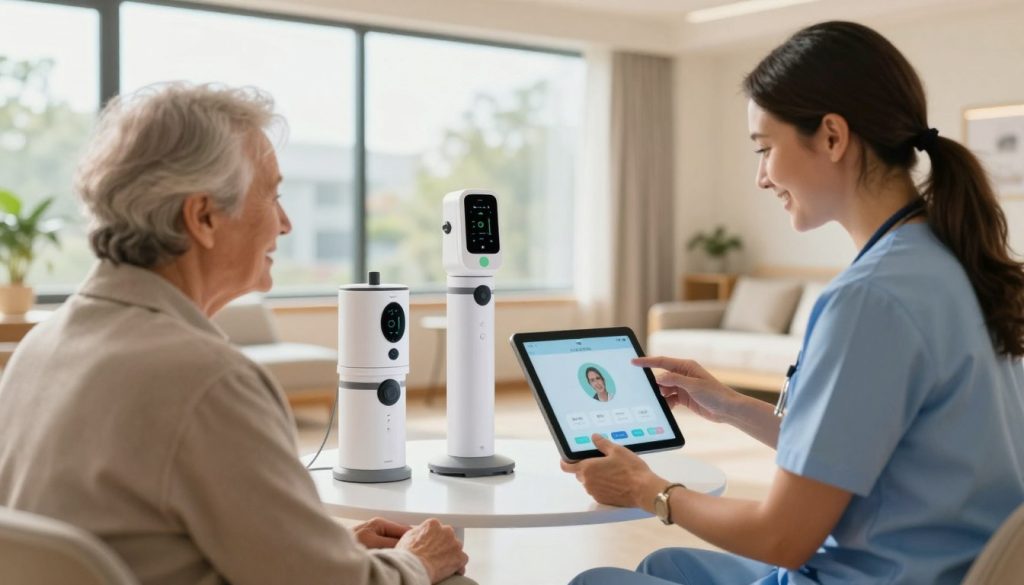
Step 3: Set Up Communication Platforms for Care Coordination
Effective communication is crucial in caregiving. Caregivers can use various communication platforms to coordinate care, share information, and stay connected with healthcare professionals.
- Video conferencing tools for remote consultations.
- Secure messaging apps for sharing health updates.
- Care coordination software for managing care plans.
Step 4: Train Everyone Involved and Establish Usage Routines
To ensure the successful implementation of technology solutions, caregivers should train everyone involved and establish usage routines. This includes:
- Training the care recipient on how to use the devices.
- Establishing a routine for using the technology.
- Monitoring the effectiveness of the technology and making adjustments as needed.
By following these steps and leveraging tested eldercare innovations, caregivers can improve care outcomes and enhance the quality of life for their care recipients.
Applying Proven Communication Techniques with Care Recipients
Successful aging strategies often hinge on the ability of caregivers to communicate effectively with their care recipients. Effective communication is crucial in caregiving as it helps build trust, ensures that the care recipient’s needs are met, and enhances the overall quality of care.
Master Active Listening Strategies That Build Trust
Active listening is a powerful tool in caregiving. It involves fully concentrating on what the care recipient is saying, understanding their concerns, and responding in a way that shows you are engaged and care about their feelings. To practice active listening, maintain eye contact, avoid interrupting, and ask clarifying questions to ensure understanding.
By doing so, caregivers can build trust and create a supportive environment where care recipients feel heard and valued.
Use Validation Therapy for Dementia and Memory Care
Validation therapy is a technique used particularly in dementia and memory care. It focuses on acknowledging the feelings and experiences of the care recipient rather than correcting their perception of reality.
Acknowledging Emotions Without Correcting Reality
This approach helps in reducing stress and anxiety in care recipients by validating their emotions. For instance, if a person with dementia believes they are waiting for their mother, instead of correcting them, you could say, “You must be feeling anxious waiting for her. Can you tell me more about your mother?”
Responding to the Feeling Behind the Words
It’s essential to look beyond the literal meaning of the words and understand the underlying emotions. By responding to these emotions, caregivers can provide comfort and reassurance, making the care recipient feel understood and supported.
Employ Effective Nonverbal Communication Methods
Nonverbal communication, such as body language and facial expressions, plays a significant role in caregiving. Caregivers should be mindful of their nonverbal cues to ensure they are conveying empathy and support.
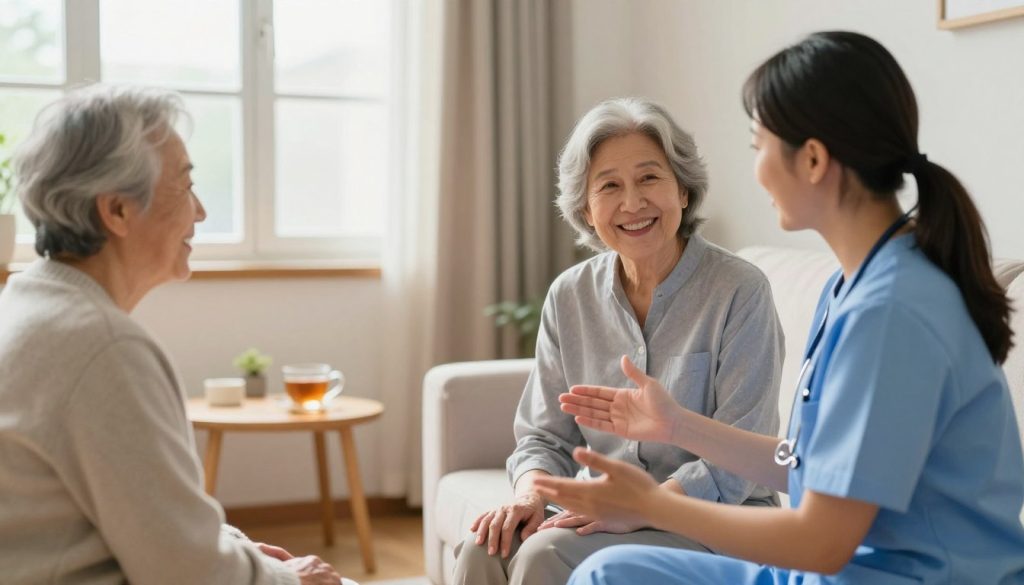
Using open and approachable body language, such as uncrossing your arms or standing at eye level, can make care recipients feel more at ease. Additionally, gentle touch can be comforting, though it’s crucial to gauge the individual’s comfort with physical contact.
Creating Therapeutic Environments Using Evidence-Based Design
Evidence-based design principles can significantly enhance caregiving environments. By applying these principles, caregivers can create spaces that support the physical, emotional, and social needs of care recipients.
Optimize Lighting for Safety, Circadian Rhythm, and Mood Enhancement
Lighting plays a crucial role in therapeutic environments. Proper lighting can improve safety, regulate circadian rhythms, and enhance mood. Caregivers should consider using layered lighting, which includes ambient, task, and accent lighting, to create a flexible and supportive environment.
Maximizing natural light is also essential, as it can boost vitamin D levels and improve overall well-being. When natural light is limited, caregivers can use light therapy lamps to supplement and help regulate the care recipient’s circadian rhythms.
Reduce Environmental Stressors and Overstimulation
Reducing environmental stressors is vital for creating a therapeutic environment. High levels of noise and clutter can lead to overstimulation and anxiety. Caregivers should focus on minimizing these stressors to promote a calm and comfortable living space.
Managing Noise Levels in Living Spaces
To manage noise levels, caregivers can use sound-absorbing materials, such as acoustic panels, and implement quiet hours or noise-reducing strategies. Creating a peaceful environment can significantly reduce stress and agitation.
Simplifying Visual Clutter and Navigation
Simplifying visual clutter is also important. Caregivers can achieve this by using clear signage, minimizing decorative items, and organizing living spaces to facilitate easy navigation. A clutter-free environment can improve cognitive function and reduce confusion.
Incorporate Sensory Stimulation Spaces and Memory Boxes
Incorporating sensory stimulation spaces and memory boxes can provide care recipients with meaningful engagement and comfort. Sensory stimulation spaces can include elements like tactile surfaces, calming colors, and soothing music, creating a multi-sensory experience.
Memory boxes or reminiscence spaces can be filled with personal items and mementos that hold sentimental value, stimulating memory recall and emotional connection. These spaces can be particularly beneficial for individuals with dementia or Alzheimer’s disease.

Measuring Success and Adapting Your Caregiving Approach
Caregiving is not a one-size-fits-all solution; measuring success requires a nuanced approach. To deliver the best care possible, caregivers must be willing to assess their methods and make adjustments as needed.
Track Quality of Life Indicators and Health Outcomes
To understand whether a caregiving approach is successful, it’s essential to track various quality of life indicators and health outcomes. This involves monitoring several key areas:
Daily Mood and Engagement Levels
Observing the daily mood and engagement levels of care recipients can provide valuable insights into their overall well-being. Caregivers should look for signs of happiness, interest in activities, and social interaction.
Physical Health Markers and Functional Abilities
Tracking physical health markers, such as vital signs and nutritional status, alongside functional abilities like mobility and self-care capabilities, helps in understanding the physical aspects of care.
Key Indicators to Track:
- Mood and emotional well-being
- Level of engagement in activities
- Physical health markers (e.g., blood pressure, weight)
- Functional abilities (e.g., bathing, dressing)
Recognize When to Modify Your Care Strategy
Being able to recognize when a caregiving strategy is not working is crucial. Caregivers should be vigilant for signs that the current approach is not meeting the care recipient’s needs, such as declining health or increased frustration.
Signs that a change is needed include:
- A decline in physical or mental health
- Increased resistance to care or activities
- Caregiver burnout or stress
Build a Support Network for Continuous Improvement
No caregiver is an island. Building a support network of family, friends, and professional caregivers can provide valuable resources and insights for improving caregiving strategies.
Benefits of a Support Network:
- Emotional support and stress reduction
- Access to new ideas and caregiving techniques
- Practical help with caregiving tasks
By tracking key indicators, being willing to adapt care strategies, and leveraging a support network, caregivers can ensure they are providing the most effective and compassionate care possible.
Conclusion
Caregivers can significantly enhance the quality of life for their care recipients by adopting proven caregiver innovations. These approaches, backed by evidence and tested in real-world settings, offer effective solutions to the complex challenges of caregiving.
By understanding and implementing innovative caregiving methods, such as technology-assisted monitoring, person-centered care planning, and integrative wellness approaches, caregivers can improve care outcomes. These strategies not only support the physical and emotional needs of care recipients but also foster a more compassionate and responsive caregiving environment.
As caregivers continue to navigate their caregiving journey, embracing these proven caregiver innovations can lead to more effective care and a better quality of life for both caregivers and care recipients. By staying informed and adapting to new caregiving strategies, caregivers can make a meaningful difference in the lives of those they care for.