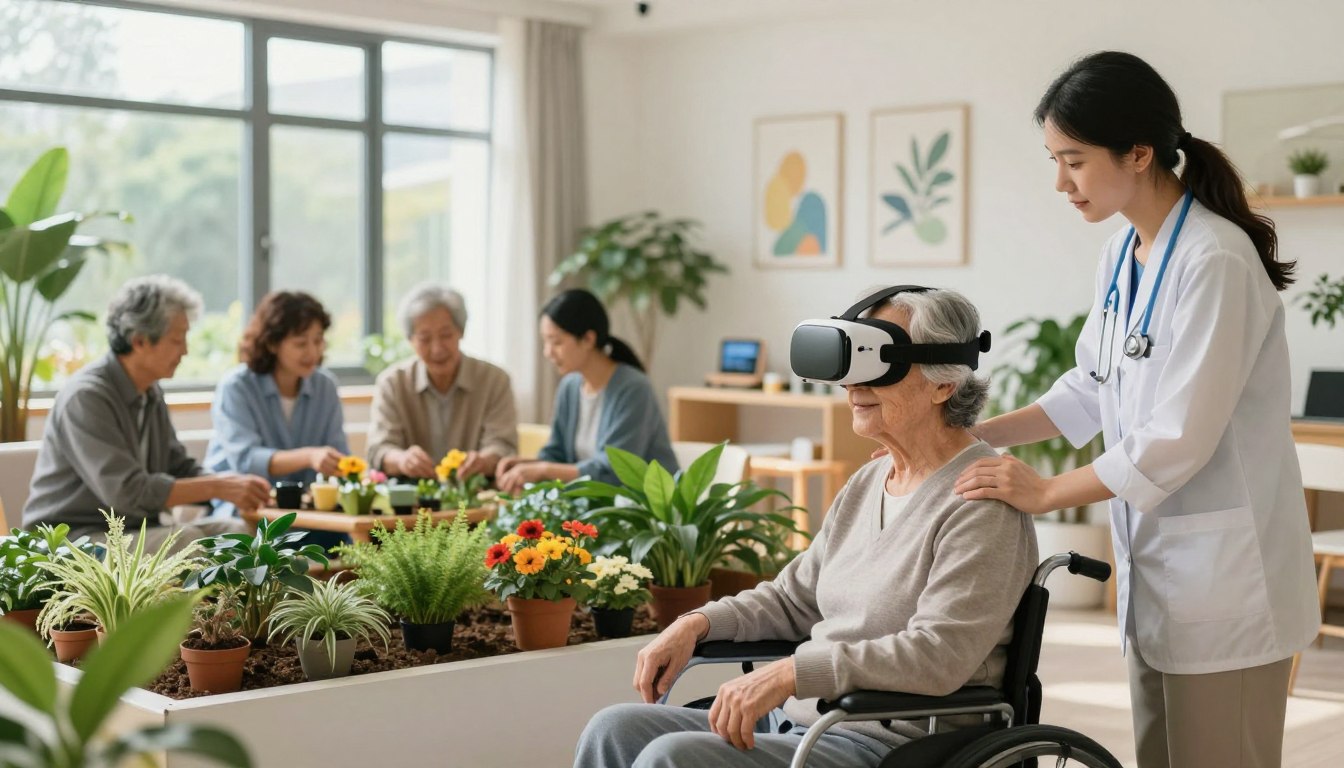
Are traditional caregiving methods truly the most effective way to support our loved ones, or is it time to explore new, innovative approaches?
Caring for loved ones can be a rewarding experience, but it can also be challenging. As we navigate the complexities of caregiving, it’s essential to consider fresh perspectives and innovative caregiving approaches that can make a meaningful difference in the lives of those we care about.
By embracing experimental caregiving routines, caregivers can discover new ways to provide support, comfort, and joy to their loved ones. This article will explore the importance of innovative caregiving and provide practical insights for those looking to refresh their caregiving approach.
Key Takeaways
- Understanding the benefits of experimental caregiving routines
- Exploring innovative caregiving approaches to support loved ones
- Practical tips for implementing new caregiving strategies
- The importance of flexibility in caregiving
- How to create a personalized caregiving plan
Understanding the Shift Toward Innovative Caregiving Approaches
Caregiving is undergoing a significant transformation, driven by the adoption of non-traditional caregiving methods and cutting-edge caregiving techniques. As the needs of loved ones become more complex and diverse, caregivers are seeking fresh, experimental approaches to provide the best possible care.
What Makes Caregiving “Experimental”
Experimental caregiving involves trying new, untested methods to care for loved ones. It’s about being open to innovative solutions that may not be part of traditional caregiving practices. This could include using technology to monitor health, engaging in new activities to stimulate mental health, or adopting unconventional therapeutic techniques.
The term “experimental” doesn’t imply a lack of scientific basis; rather, it signifies a willingness to explore and adapt new strategies. Caregivers are increasingly looking beyond conventional methods to find what works best for their loved ones.
Why Traditional Methods May Need a Refresh
Traditional caregiving methods have their merits, but they may not always be sufficient or effective in today’s context. The needs of individuals requiring care are evolving, and so are the expectations for the quality of care. Traditional methods can sometimes be rigid and not tailored to the individual’s changing needs.
- They may not incorporate the latest medical research or technological advancements.
- They might not be flexible enough to accommodate the unique preferences and needs of each individual.
- They could be based on a one-size-fits-all approach, which is not ideal for personalized care.
The Benefits of Embracing Non-Traditional Caregiving Methods
Embracing non-traditional caregiving methods can lead to more effective, personalized, and engaging care. These methods encourage creativity and flexibility, allowing caregivers to respond to the unique needs and preferences of their loved ones.
Some benefits include:
- Improved care outcomes due to tailored approaches.
- Enhanced engagement and stimulation for the individual receiving care.
- A more positive caregiving experience, as caregivers are empowered to try new, effective strategies.
By understanding and embracing the shift towards innovative caregiving approaches, caregivers can provide higher quality care that is both compassionate and effective.
Building Effective Experimental Caregiving Routines
Experimental caregiving routines can be highly effective when built on a foundation of assessment and clear goals. To create such routines, caregivers must be willing to innovate and adapt their strategies based on the evolving needs of their loved ones.
Step 1: Assess Your Current Care Situation
Assessing the current care situation is crucial for identifying areas that need improvement and understanding the challenges faced by both the caregiver and the recipient.
Identify Pain Points and Repetitive Challenges
Caregivers should start by identifying the pain points and repetitive challenges in their current caregiving routine. This involves reflecting on the tasks that are most difficult or time-consuming and considering how they impact the overall care experience.
For instance, managing medication schedules can be a significant challenge. Creating a medication calendar or using a reminder app can help alleviate this burden.
Recognize Your Loved One’s Evolving Needs
It’s essential to recognize that the needs of loved ones can change over time. Caregivers must be attentive to these changes and adjust their caregiving strategies accordingly.
“Caregiving is not a one-size-fits-all endeavor. It requires flexibility, patience, and a deep understanding of the individual’s needs.”
Step 2: Set Clear Goals for Your New Approach
Once the current care situation is assessed, the next step is to set clear goals for the new caregiving approach. These goals should be specific, measurable, achievable, relevant, and time-bound (SMART).
- Improve the quality of life for the loved one
- Reduce caregiver stress
- Enhance the caregiving experience through innovation
Step 3: Create a Testing Framework
A testing framework is necessary for evaluating the effectiveness of new caregiving strategies. This involves establishing baseline measurements and defining success criteria.
Establish Baseline Measurements
Baseline measurements provide a reference point for assessing the impact of changes made to the caregiving routine.
| Measurement Criteria | Baseline Value | Target Value |
|---|---|---|
| Caregiver Stress Level | 8/10 | 5/10 |
| Loved One’s Satisfaction | 6/10 | 8/10 |
Define Success Criteria
Defining clear success criteria helps caregivers understand what they are working towards and how to measure progress.
For example, a success criterion might be improving the loved one’s satisfaction with the caregiving routine by 20% within three months.
Cutting-Edge Caregiving Techniques Worth Exploring
With the advancement of technology and a deeper understanding of therapeutic needs, modern caregiving is being reshaped by innovative solutions. Caregivers are now able to leverage a wide range of tools and techniques to provide more effective, personalized care.
Modern Care Solutions Using Technology
The integration of technology into caregiving has opened up new avenues for supporting seniors. Some of the most impactful technologies include:
- Smart Home Devices: Enhancing safety and independence for seniors living alone.
- Telehealth and Remote Monitoring Systems: Allowing for timely medical interventions and continuous health monitoring.
- Cognitive Training Apps and Digital Engagement Tools: Keeping minds active and engaged through interactive programs.
Smart Home Devices for Safety and Independence
Smart home devices can significantly enhance the living environment for seniors. These devices can include voice-controlled assistants, automated lighting systems, and sensors that detect falls or other emergencies. By implementing these technologies, caregivers can ensure a safer living space while also promoting independence.

Telehealth services have revolutionized the way healthcare is delivered. Through video consultations and remote monitoring, seniors can receive medical care from the comfort of their own homes. This not only reduces the need for hospital visits but also allows for more frequent monitoring of chronic conditions.
Cognitive Training Apps and Digital Engagement Tools
Cognitive training apps are designed to keep the mind active and engaged. These apps offer a variety of exercises tailored to different cognitive needs and abilities. By incorporating these tools into daily routines, caregivers can help slow down cognitive decline and improve overall mental wellbeing.
Therapeutic Innovations for Enhanced Wellbeing
Beyond technology, therapeutic innovations play a crucial role in enhancing the wellbeing of seniors. These approaches focus on holistic care, addressing emotional, social, and physical needs.
- Music and Art Therapy Integration: Using creative expression to promote emotional healing.
- Pet-Assisted Care Programs: Bringing joy and companionship through animal interactions.
- Mindfulness and Gentle Movement Practices: Encouraging relaxation and physical wellbeing.
Music and Art Therapy Integration
Music and art therapy have been shown to have profound effects on mental and emotional health. By engaging in creative activities, seniors can express themselves, reduce stress, and experience a sense of accomplishment.
Pet-Assisted Care Programs
Pet-assisted therapy involves trained animals visiting seniors in care settings. This interaction can lead to reduced feelings of loneliness, improved mood, and even physical benefits such as lowered blood pressure.
Mindfulness and Gentle Movement Practices
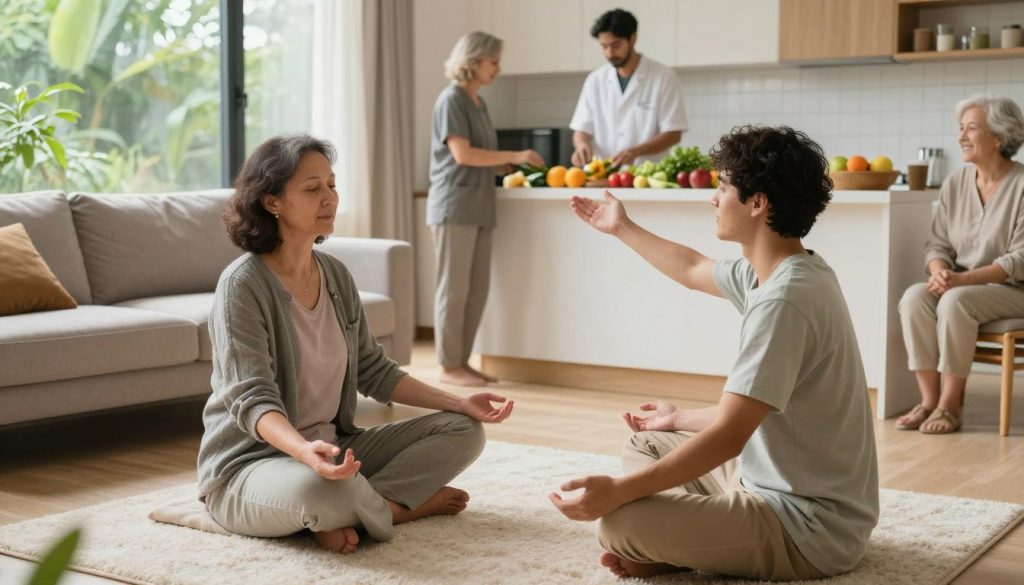
Mindfulness practices, including gentle movement exercises like tai chi or yoga, can help reduce stress, improve balance, and enhance overall physical wellbeing. These activities are particularly beneficial for seniors, promoting relaxation and flexibility.
Developing Personalized Caregiving Strategies
The key to successful caregiving lies in developing strategies that are as unique as the person being cared for. Personalized caregiving is not just about meeting the basic needs of your loved one; it’s about enhancing their quality of life through tailored approaches.

Tailor Care to Individual Preferences and Personality
Understanding the preferences and personality of the individual in your care is crucial. This involves getting to know their likes, dislikes, and what brings them joy. For instance, if they have always loved gardening, incorporating gardening activities into their daily routine can be therapeutic.
As Dr. Jane Smith, a gerontologist, notes, “Caregiving is most effective when it’s personalized. It’s about creating a care plan that reflects the individual’s history, preferences, and values.”
Incorporate Cultural Traditions and Family Heritage
Cultural traditions and family heritage play a significant role in shaping an individual’s identity. Incorporating these elements into caregiving can provide a sense of comfort and continuity. For example, cooking traditional meals or celebrating cultural holidays can be a meaningful way to connect with your loved one.
“The way we care for our loved ones is a reflection of our values and cultural heritage. By incorporating these elements, we can create a more meaningful and engaging caregiving experience.” –
Design Activities Around Current Abilities and Interests
Designing activities that align with the current abilities and interests of your loved one is essential for maintaining their engagement and motivation. This could involve adapting hobbies to accommodate physical limitations or finding new activities that stimulate their mind.
- Assess their current abilities and interests
- Adapt activities to suit their needs
- Encourage participation and engagement
Balance Structure with Flexibility
A well-balanced caregiving plan combines structure with flexibility. While having a routine is important, it’s equally crucial to be flexible and adapt to changing needs and circumstances.
“Caregiving is a journey, not a destination. It requires patience, understanding, and the ability to adapt to new challenges.” – Anonymous Caregiver
Implementing and Refining Your Unique Eldercare Practices
The journey to implementing unique eldercare practices is filled with learning opportunities. As caregivers, it’s essential to be adaptable and open to new ideas, ensuring that our caregiving strategies meet the evolving needs of our loved ones.
Start with Small-Scale Experiments
Beginning with small-scale experiments allows caregivers to test new approaches without feeling overwhelmed. This method enables us to gauge the effectiveness of different strategies and make adjustments as needed.
Choose Your First Innovation
Selecting the first innovation can be challenging, but it’s crucial to start with something that addresses a specific need or challenge in the caregiving routine. For instance, introducing a new technology, such as a medication reminder app, can simplify daily tasks.
Document Responses and Outcomes
Keeping a record of the responses and outcomes of these experiments is vital. This documentation helps in understanding what works and what doesn’t, allowing for informed decisions about future caregiving strategies.
| Experiment | Response | Outcome |
|---|---|---|
| Medication Reminder App | Positive | Reduced missed doses |
| Virtual Reality Therapy | Mixed | Increased engagement in some activities |
| Personalized Music Playlist | Very Positive | Improved mood and reduced agitation |
Measure Results and Adjust Your Approach
After implementing new strategies, it’s crucial to measure their effectiveness. This involves regularly assessing the outcomes and making necessary adjustments to ensure that the caregiving practices remain effective and relevant.

Collaborate with Healthcare Professionals
Working closely with healthcare professionals can provide valuable insights and support. They can offer guidance on the latest caregiving techniques and help in tailoring the care to the individual’s specific needs.
Address Concerns from Family Members
When introducing new eldercare practices, it’s not uncommon for family members to have concerns. Addressing these concerns openly and sharing the positive outcomes can help in gaining their support and understanding.
Communicate the Why Behind Changes
Explaining the rationale behind the changes in caregiving strategies can help family members understand the benefits and feel more comfortable with the new approaches.
Share Positive Results and Observations
Sharing the positive results and observations from the new caregiving practices can reinforce their value. This can be done through regular updates and discussions with family members, ensuring everyone is informed and aligned.
Conclusion
As caregivers, embracing experimental caregiving routines and innovative caregiving approaches can significantly enhance the lives of loved ones. By understanding the need for refreshingly new methods and building effective caregiving strategies, caregivers can provide personalized care that caters to individual needs and preferences.
Implementing cutting-edge techniques and tailoring care to unique circumstances can lead to improved wellbeing and a more fulfilling caregiving experience. Caregivers are encouraged to continue exploring and refining their approaches, collaborating with healthcare professionals, and addressing concerns to create a supportive environment.
By adopting a flexible and adaptive mindset, caregivers can navigate the complexities of caregiving with confidence. As the caregiving landscape continues to evolve, staying open to new ideas and experimental caregiving routines will be crucial in providing the best possible care for loved ones.