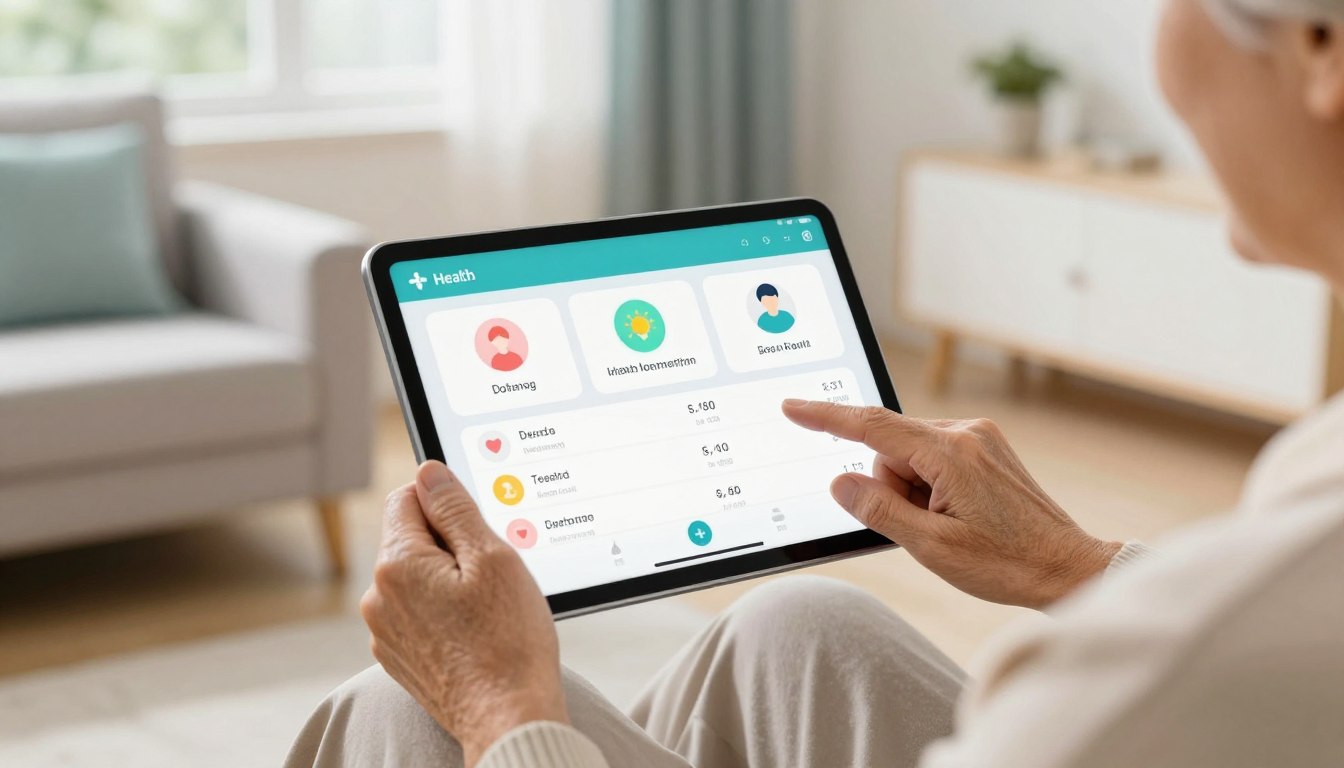
Can technology really make a difference in the lives of seniors, enabling them to live independently and safely in their own homes? The answer lies in innovative solutions like the digital health platform, designed to provide personalized care and support.
As the population ages, the need for effective elder care solutions has become increasingly important. A data driven approach to caregiving can help address this need, ensuring that seniors receive the right care at the right time.
This approach not only enhances the quality of life for seniors but also provides peace of mind for their families. By leveraging technology, caregivers can monitor and respond to the needs of seniors more effectively.
Key Takeaways
- Personalized care through digital health platforms
- Enhanced safety and independence for seniors
- Effective monitoring and support for caregivers
- Improved quality of life for seniors and their families
- Innovative solutions for elder care
Understanding Data-Driven Home Caregiving Systems
A data-driven home caregiving system is revolutionizing the way we care for seniors. By leveraging real-time data and advanced analytics, these systems enable caregivers and healthcare professionals to make informed decisions about a senior’s care.
What Makes a Caregiving System Data-Driven
A caregiving system is considered data-driven when it utilizes real-time data from various sources, such as remote patient monitoring devices, wearable technology, and electronic health records, to inform care decisions. This data is analyzed to identify trends, detect potential health issues early, and optimize care plans.
The integration of data from different sources allows for a more comprehensive understanding of a senior’s health and daily activities. For instance, data from wearable devices can be combined with information from electronic health records to provide a complete picture of a senior’s health status.
Key Benefits for Seniors Living Independently
Data-driven home caregiving systems offer several key benefits for seniors living independently, including improved health outcomes, enhanced safety, and increased independence. By leveraging real-time data, caregivers can respond quickly to changes in a senior’s condition, reducing the risk of hospitalization and improving overall health.
Some of the key benefits include:
- Early detection of potential health issues
- Personalized care plans tailored to individual needs
- Enhanced safety through fall detection and emergency response systems
- Increased independence for seniors, allowing them to live in their own homes for longer
How Technology Improves Care Quality and Safety
Technology plays a vital role in improving care quality and safety for seniors. Remote patient monitoring devices, for example, allow caregivers to track a senior’s vital signs and other health metrics in real-time, enabling early intervention if any issues arise.
| Technology | Benefits |
|---|---|
| Remote Patient Monitoring Devices | Real-time tracking of vital signs and health metrics |
| Wearable Technology | Fall detection, activity tracking, and emergency response |
| Electronic Health Records | Comprehensive health information and medical history |
By leveraging these technologies, data-driven home caregiving systems can significantly improve care quality and safety for seniors, enabling them to live independently and with dignity.
Assessing Your Senior’s Needs for a Data Driven Home Caregiving System
Assessing the needs of seniors is crucial for designing a data-driven home caregiving system that ensures their safety and well-being. This process involves a comprehensive evaluation of their health conditions, daily activities, and the level of support required from family caregivers.
Evaluating Current Health Conditions and Medical Requirements
Understanding the senior’s current health status is fundamental. This includes assessing any chronic conditions, physical limitations, and cognitive abilities.
Chronic Condition Monitoring Needs
Seniors with chronic conditions such as diabetes, heart disease, or hypertension require continuous monitoring. Automated health tracking devices can play a vital role in managing these conditions by providing real-time data to caregivers and healthcare providers.
Cognitive and Physical Mobility Considerations
Evaluating cognitive function and physical mobility is essential to determine the level of care needed. This assessment helps in identifying potential safety risks and the need for assistance with daily activities.

Identifying Daily Activity and Safety Concerns
Daily activities such as bathing, dressing, and eating are critical areas to assess. Additionally, identifying safety concerns like fall risks or the ability to manage medication is vital for creating a safe living environment.
Determining Family Caregiver Involvement Level
The role of family caregivers is indispensable in a data-driven home caregiving system. Assessing their availability, capabilities, and the level of support they can provide is crucial. Caregiver support tools can enhance their ability to care for seniors effectively by providing them with timely information and coordination capabilities.
By thoroughly assessing these aspects, you can tailor a data-driven home caregiving system that meets the senior’s specific needs, enhancing their quality of life and safety.
Selecting the Right Digital Health Platform and Components
The key to a successful data-driven home caregiving system lies in selecting the appropriate digital health platform and its components. This involves a careful evaluation of various elements to ensure they meet the specific needs of your senior.
Choosing Remote Patient Monitoring Devices
Remote patient monitoring devices are crucial for collecting vital health data. These devices can range from simple blood pressure monitors to advanced wearable devices.
Wearable Health Trackers and Smartwatches
Wearable health trackers and smartwatches are popular choices for remote monitoring. They can track vital signs such as heart rate, blood pressure, and physical activity. Some examples include:
- Fitbit devices for activity tracking
- Apple Watch for heart rate monitoring
- Garmin watches for GPS tracking and health metrics
Home-Based Sensors and Fall Detection Systems
In addition to wearables, home-based sensors can detect falls, monitor temperature, and track movement within the home. These sensors can provide a comprehensive view of a senior’s daily activities and safety.
Comparing Family Caregiver App Platforms
Family caregiver app platforms are essential for managing the care of seniors. When comparing these platforms, consider the following factors:
- Ease of use for both caregivers and seniors
- Features such as medication reminders and appointment scheduling
- Integration with other health devices and platforms
Evaluating Automated Health Tracking Features
Automated health tracking features can significantly reduce the burden on caregivers. Look for platforms that offer:
- Continuous monitoring of vital signs
- Alerts for abnormal readings
- Integration with electronic health records (EHRs)
By carefully evaluating these components, you can create a comprehensive data-driven home caregiving system that enhances the quality of life for your senior.
Step-by-Step: Installing and Configuring Your System
To ensure your data-driven home caregiving system operates effectively, follow these step-by-step installation and configuration guidelines.
Step 1: Install Physical Monitoring Devices
Installing physical monitoring devices is the first step in setting up your home caregiving system. These devices are crucial for tracking the senior’s activities and health metrics.
Placement of Motion Sensors and Cameras
Motion sensors and cameras should be placed strategically around the home to ensure maximum coverage. Place motion sensors in hallways and living areas, and position cameras at entry points and in main living spaces.

Wearable devices, such as smartwatches or fitness trackers, should be worn by the senior to track vital signs and activity levels. Ensure the device is comfortable and easy to use.
Step 2: Configure Your Digital Health Platform
Configuring the digital health platform involves creating user accounts and connecting all devices to the central platform.
Creating User Accounts and Profiles
Create user accounts for the senior and their caregivers. This will allow them to access relevant information and receive notifications.
Connecting All Devices to the Central Platform
Ensure all physical monitoring devices and wearable devices are connected to the digital health platform. This will enable seamless data collection and analysis.
| Device Type | Connection Method | Status |
|---|---|---|
| Motion Sensors | Wi-Fi | Connected |
| Wearable Devices | Bluetooth | Connected |
| Cameras | Wi-Fi | Connected |
Step 3: Add Family Members and Healthcare Providers
Adding family members and healthcare providers to the system allows for coordinated care and timely interventions.
“Involving family members and healthcare providers in the caregiving process can significantly improve the quality of care for seniors.”
Step 4: Run System Tests and Calibrations
Finally, run system tests and calibrations to ensure all devices are working correctly and data is being accurately collected and analyzed.
- Check device connectivity
- Verify data accuracy
- Test notification systems
By following these steps, you can ensure your data-driven home caregiving system is installed and configured correctly, providing a safe and supportive environment for seniors.
Building a Personalized Care Plan with Real-Time Data
With real-time data, caregivers can develop a tailored care plan that meets the senior’s specific needs. A personalized care plan is crucial for ensuring that seniors receive the most appropriate care, enhancing their quality of life and safety.
A data-driven home caregiving system provides the necessary insights to create such a plan. By leveraging real-time data, caregivers can make informed decisions that cater to the senior’s changing needs.
Establishing Baseline Health Metrics
The first step in building a personalized care plan is to establish baseline health metrics. This involves collecting initial data on the senior’s vital signs, activity levels, and other relevant health indicators. Baseline metrics serve as a reference point for future comparisons, helping caregivers identify trends and potential health issues early.

Setting Up Custom Alerts and Thresholds
Once baseline metrics are established, caregivers can set up custom alerts and thresholds within the data-driven home caregiving system. These alerts notify caregivers when the senior’s health metrics deviate from normal ranges, allowing for timely interventions.
Creating Daily Routine Tracking Parameters
Tracking daily routines is vital for understanding a senior’s habits and identifying potential issues. Caregivers can create daily routine tracking parameters to monitor activities such as medication adherence, meal times, and sleep patterns. This information helps in adjusting the care plan to better support the senior’s daily needs.
Adjusting Care Plans Based on Data Insights
The ultimate goal of a data-driven home caregiving system is to use data insights to adjust care plans effectively. By continuously monitoring real-time data and analyzing trends, caregivers can refine the care plan to address emerging needs or concerns, ensuring that the senior receives the most appropriate care.
Using Caregiver Support Tools for Coordinated Care
Caregiver support tools are revolutionizing the way we care for seniors by enabling coordinated care. These tools provide a comprehensive platform for managing various aspects of caregiving, ensuring that seniors receive the best possible care.
Managing Multiple Caregivers Through Shared Access
Managing multiple caregivers can be challenging, but with shared access features, it’s much easier. Family caregiver apps allow multiple caregivers to access the same information, ensuring everyone is on the same page. This feature is particularly useful for families with multiple members involved in caregiving.
Shared access enables caregivers to view schedules, track activities, and receive important notifications. This level of coordination helps prevent misunderstandings and ensures that seniors receive consistent care.

Scheduling and Task Assignment Features
Scheduling and task assignment are critical components of caregiving. Caregiver support tools offer features that enable families to create and manage schedules efficiently. Task assignment features allow caregivers to assign specific tasks to family members or professional caregivers, ensuring that all aspects of care are covered.
These features help in organizing daily routines, managing medication schedules, and tracking appointments. By having a clear schedule, caregivers can provide more effective support and reduce the likelihood of missed tasks or appointments.
Integrating Medication Reminders and Health Records
Integrating medication reminders and health records into caregiving routines is vital for seniors’ health. Caregiver support tools provide features that allow caregivers to track medication schedules and maintain up-to-date health records. This integration ensures that seniors receive their medications on time and that caregivers have access to critical health information.
Medication reminders can be sent to both the senior and their caregivers, reducing the risk of missed doses. Health records can be updated in real-time, providing a comprehensive view of the senior’s health status.
Communicating Effectively with Medical Professionals
Effective communication with medical professionals is crucial for coordinated care. Caregiver support tools often include features that facilitate communication between caregivers and healthcare providers. Secure messaging and information sharing capabilities enable caregivers to consult with medical professionals and share important health information.
This level of communication helps ensure that seniors receive appropriate medical care and that caregivers are informed about their loved one’s health status.
Conclusion
A data-driven home caregiving system provides a comprehensive solution for seniors living independently. By leveraging a digital health platform, you can ensure that your senior receives the best possible care.
Building a personalized care plan is crucial in providing tailored support. This involves assessing the senior’s needs, selecting the right components, and configuring the system to meet their unique requirements.
With the right system in place, you can enhance the care experience and provide peace of mind for both the senior and their family caregivers. By utilizing caregiver support tools, you can further streamline the care process and ensure that the senior receives coordinated and effective care.
Ultimately, a well-implemented data-driven home caregiving system can significantly improve the quality of life for seniors, enabling them to live independently and safely in their own homes.